

29 Oct Everything You Need to Know About Scaffold Hire in Auckland
Professional Scaffold Hire in Auckland – Everything You Need to Know From a Trusted Scaffolding Company
Hiring a professional scaffolding company ensures your project is supported by safe, efficient and compliant systems from start to finish. Whether you’re undertaking a residential renovation or a large-scale construction project, working with a qualified team that understands scaffolding requirements is essential for maintaining a safe work environment. A reputable provider will assess your job site and offer the right scaffold solution for your specific access, load and height needs, whether that involves aluminium scaffold towers, mobile scaffolding or a more complex scaffold system.
With the increasing demand for reliable scaffolding across NZ, especially in high-growth urban areas, the need for experienced scaffolders has never been greater. The right scaffolding hire service will offer everything from scaffold rental and erection to dismantling and ongoing support. They’ll also have extensive experience working with both tradesmen and construction companies, offering solutions to cater to small renovation projects as well as industrial builds. This ensures that each phase of the job is carried out safely and efficiently, with all safety protocols and project requirements met on-site.
What is Scaffold Hire in Auckland?
Understanding the Scaffold Solution
Scaffold hire refers to the temporary supply and erection of scaffold systems to support access, maintenance, construction or renovation tasks. Whether you’re painting your home, repairing a roof, or building a multi-storey structure, scaffolding provides the stable platforms and safe working zones required to carry out the work at different heights. A scaffold solution should be designed to meet the safety standards of the NZ construction industry and tailored to the specific requirements of each project, from small renovations to large-scale industrial builds.
The process typically involves assessing the site and project scope, choosing the correct type of scaffolding system, and ensuring safe and efficient erection by trained professionals. The ideal scaffold will meet a range of scaffolding needs — including mobility, strength, weather resistance, and load-bearing capacity. A professional scaffolder will consider whether mobile scaffold towers, aluminium structures, or heavier steel frames best suit your site. By using the right access equipment, tradesmen and contractors can work efficiently while maintaining a safe work environment.
Types of Scaffolding Services Available
Scaffolding services cover a wide range of project types and requirements. Common options include mobile scaffolding for smaller or indoor works, aluminium scaffold towers for lightweight applications, and fixed scaffolding systems for more demanding or multi-storey structures. Commercial scaffolding is often required for large construction projects, offering extensive coverage, safe access, and integration with other systems such as roof edge protection and rubbish chutes. Residential scaffolding, on the other hand, is generally more compact and easier to erect around homes or smaller buildings.
There are also specialised scaffold solutions available for industrial projects, including steel tube systems, propping, suspended platforms, and load-bearing towers. Professional scaffolding companies assess the project needs and site layout before recommending the most suitable type of scaffold hire. This ensures that both safety and efficiency are prioritised on-site. The hire service typically includes delivery, erection, regular inspections, and dismantling once the project is complete. By offering such a wide range of scaffolding equipment and services, providers can cater to everything from short-term scaffold rental to long-term, large-scale construction support.
Why Choose Scaffolding in Auckland?
Construction and renovation work across the wider Auckland region often requires scaffold hire due to the diversity and scale of projects underway. Whether for new housing developments, commercial property upgrades or high-rise builds, scaffolding companies in Auckland provide tailored access solutions that meet both safety regulations and individual project demands. Hiring local ensures faster response times, reduced transport costs, and familiarity with local council compliance requirements.
Clients benefit from engaging an experienced company that offers reliable scaffolding, competitive scaffold hire pricing, and a qualified team who understands the complexities of on-site logistics. Many projects involve tight access points, sloped land or weather-related challenges — all of which demand a flexible scaffolding solution. The scaffolding Auckland has to offer is often built with lightweight materials for quick assembly or stronger steel frames for heavy-duty loads. When the right system is selected and professionally managed, scaffold hire enables safe and efficient work across all types of construction sites, from small residential renovations to large-scale commercial scaffolding projects.

What are the Benefits of Hiring Scaffolding?
Advantages of Mobile Scaffolding
Mobile scaffolding offers flexibility and convenience for both small renovation jobs and ongoing construction work. Unlike fixed scaffolds, mobile scaffold towers are designed to be easily repositioned, making them ideal for tasks that require frequent movement along a structure. Whether you’re painting your home or working across multiple elevations, mobile scaffolding provides quick access to different parts of the job site without the need for constant dismantling and reassembly. This helps to reduce downtime and increase overall project efficiency.
Another key advantage is that mobile scaffolding is generally lightweight and simple to erect. Aluminium scaffold towers, for example, are easy to manoeuvre and offer reliable scaffolding support across various surfaces. For interior or exterior projects with changing access points, mobile scaffold hire is a practical solution that ensures safe work platforms with minimal setup time. Hiring a mobile system from an experienced scaffolding company helps meet safety standards while catering to the project requirements without unnecessary complexity or cost.
Safety and Compliance of Scaffolding Equipment
Safety remains the top priority on any construction site, and compliant scaffolding equipment plays a vital role in maintaining that standard. Hiring from a reputable scaffolding company ensures all scaffold systems are installed and maintained according to industry regulations and WorkSafe guidelines. From proper erection techniques to guardrails, base stability and access equipment, a professional service will include everything needed to maintain a safe and efficient job site. Scaffolding hire allows project managers to ensure all safety protocols are followed without the need to purchase or manage equipment internally.
Reliable scaffolding systems also undergo regular inspection and certification to meet NZ standards, reducing the risk of falls, instability, or structural failures. Whether it’s for commercial scaffolding, residential access, or industrial scaffolding needs, hire companies provide equipment that is checked and maintained before each use. Choosing scaffold hire over ownership offers peace of mind, knowing that the scaffolding solution on site is suitable for different heights, work platforms, and load-bearing requirements while maintaining a safe work environment at every stage.
Cost-Effective Scaffold Hire Solutions
Scaffold hire presents a cost-effective option for both short and long-term construction projects. Purchasing scaffolding equipment outright can be a significant capital investment, especially for one-off or seasonal jobs. With scaffold rental, you can access high-quality scaffolding systems without the financial burden of ownership, storage, or ongoing maintenance. Whether you’re managing residential projects or large-scale construction across the wider region, hiring scaffolding ensures you’re only paying for what you need, when you need it.
Budget-conscious construction companies also benefit from the flexibility of hiring only the scaffold components relevant to each job. A hire service can offer a range of scaffolding, from mobile scaffold towers to heavy-duty solutions for commercial scaffolding projects. Costs are typically based on duration, size of the scaffold system, and project complexity. This allows for greater financial control, especially when timelines shift or access requirements change. With transparent pricing and tailored packages, scaffold hire supports project delivery without unnecessary expenditure.
How to Choose the Right Auckland Scaffolding Company?
Factors to Consider When Selecting a Scaffolder
Choosing a scaffolder involves more than checking availability or pricing. It’s important to ensure the company has the right experience for your type of project, whether it’s residential renovations or large-scale construction. Look for a scaffolding company with a qualified team and a proven track record in erecting scaffolds safely and efficiently. The provider should offer a range of scaffolding services that cater to your access, height, and load requirements, while following industry safety protocols. Reliability, punctuality, and communication throughout the hire period are essential.
Equally important is whether the scaffolder can tailor their services to meet specific project requirements. From mobile scaffold towers to complex scaffolding systems, the right company will evaluate your site and suggest solutions that align with both your construction needs and safety standards. It’s worth confirming whether the hire includes delivery, erection, regular inspections, and dismantling. A well-rounded scaffolding hire service ensures every aspect of the project is supported without compromise on safety or performance.
Comparing Scaffolding Companies in Auckland
When comparing scaffolding companies, it’s crucial to assess both the scope of services offered and the quality of their equipment. Not all providers are equipped to handle projects of varying size or complexity. Some specialise in smaller residential jobs using lightweight aluminium scaffold towers, while others offer full-scale commercial scaffolding for larger construction sites. A clear understanding of the scaffold systems they supply, and how those match your project’s demands, helps you make an informed decision.
It’s also useful to consider the level of professionalism shown throughout the quoting and planning process. Reputable companies will take the time to understand your site layout, propose the most suitable scaffold solution, and discuss any safety requirements up front. Look for transparency in pricing, flexibility in project timelines, and strong client feedback. Comparing these aspects gives you a better indication of who can deliver safe and efficient results across a variety of job sites and scaffolding needs.
Getting a Free Quote for Scaffolding Hire
Requesting a free quote is often the first step in securing the right scaffold hire. A detailed quote should go beyond the basic cost and outline what’s included in the service—such as the erection and dismantling of scaffold towers, on-site inspections, and any additional equipment like roof edge protection. The quote should reflect your specific project requirements, including size, duration, and type of scaffold needed. Clarity in pricing helps avoid unexpected costs during the build.
When speaking to a scaffolding company, be prepared to share the key details of your construction site, access restrictions, and any unique considerations. A thorough site evaluation allows the company to recommend a safe and efficient scaffold system that matches your goals. Whether you’re looking to hire for a short residential job or a large industrial project, a free quote enables better planning, helps manage budgets, and confirms the professionalism of the provider from the outset.

What are the Different Types of Scaffolding Available?
Aluminium Scaffold Towers vs. Other Materials
Aluminium scaffold towers are widely used in both residential and commercial scaffolding due to their lightweight construction and ease of handling. They are ideal for jobs that require mobility, such as painting, maintenance, or small renovation work, where quick repositioning and minimal setup time are important. These towers are easy to erect and dismantle, reducing downtime on-site and allowing tradesmen to complete tasks efficiently and safely. Their corrosion resistance also makes them suitable for exterior use where exposure to the elements is a factor.
In contrast, steel scaffolding systems offer increased load-bearing capacity and durability, which are essential for large-scale construction or industrial projects. While heavier and more labour-intensive to install, steel is the preferred material when working at different heights or on more complex structures. Choosing between aluminium and steel depends on the project requirements, including safety standards, scaffold height, and the nature of the job site. A scaffolding company with extensive experience will assess these needs and recommend the appropriate scaffold solution for safe and efficient work platforms.
Commercial Scaffolding for Large Projects
Commercial scaffolding is designed to meet the demands of larger projects, such as office blocks, retail outlets, and multi-storey buildings. These types of jobs often involve complex site access, heavy structural loads, and extended timeframes. A professional scaffolding company will provide scaffold towers, modular systems, and access equipment capable of supporting trades across multiple levels. This ensures the structure is safe, compliant with worksafe requirements, and adaptable as the project progresses.
Effective commercial scaffold hire includes planning for roof edge protection, staged erection schedules, and integration with other construction activities. It also allows for the ongoing use of the scaffold system throughout the entire construction period without compromising safety protocols. Whether it’s structural steel installation, façade work or cladding, a commercial scaffolding solution must provide flexibility, strength, and stability. Companies that specialise in commercial scaffolding projects offer a range of scaffolding systems to cater to varying job sizes and ensure the work can proceed without unnecessary delay.
Industrial Scaffolding Applications
Industrial scaffolding is used in high-risk environments such as power stations, manufacturing plants, refineries, and processing facilities. These job sites demand robust scaffold structures built to handle heavy loads, hazardous conditions, and strict safety protocols. A well-designed industrial scaffold system supports essential maintenance, repairs, and upgrades while ensuring safe work conditions for engineers and contractors working at height or in confined spaces.
Unlike standard residential or commercial scaffolding, industrial projects require customised scaffold solutions tailored to specific access constraints, ongoing operations, and compliance requirements. The scaffold must be installed and dismantled with minimal disruption to the site while still maintaining full functionality and safety. Whether you’re dealing with large construction zones or complex plant equipment, hiring a scaffolding company with experience in industrial scaffolding ensures your project is delivered safely and efficiently, with the right equipment and planning in place to support every stage of the work.
What are the Scaffolding Requirements for My Project?
Understanding Your On-Site Scaffolding Needs
Every construction site presents unique challenges, and understanding your on-site scaffolding needs is the first step toward creating a safe and efficient work environment. Factors such as access points, ground conditions, building height, and duration of the project all influence the type of scaffold system required. Whether you’re managing a small renovation or a large-scale construction site, accurate site evaluation ensures the scaffold hire service can meet all safety and structural demands without unnecessary delay or cost.
Scaffold solutions must also be tailored to specific trades and tasks, such as cladding, roofing, or façade restoration. A well-planned scaffolding system supports not only the work at hand but also the safe movement of personnel and materials. Choosing the correct access equipment, from mobile scaffold towers to fixed steel platforms, is essential in maintaining a safe worksite. This process should involve consultation with a qualified team that understands scaffolding requirements and can adapt the layout to suit the evolving conditions of your job site.
Meeting Project Requirements with Reliable Scaffolding
Reliability is critical when selecting scaffolding equipment for any project. A dependable scaffold system provides structural stability, load-bearing capacity, and compliance with current safety standards. Whether for residential projects or industrial scaffolding applications, the selected solution must support all activities safely and efficiently from start to finish. Projects with multiple trades on-site, such as electricians, plasterers, or painters, will require scaffolding systems that cater to a variety of access heights and work areas.
Meeting your project requirements also means planning for the right erection and dismantling schedule. Timing plays a major role, particularly when coordinating multiple contractors or adhering to tight deadlines. Hiring a scaffolding company that can deliver reliable scaffolding across the wider region ensures minimal disruption and consistent performance. The right equipment, backed by an experienced team, allows for smooth progress while meeting your site’s specific requirements without compromising safety or workflow.
Customising Scaffolding Systems for Specific Uses
Customisation is often necessary when standard scaffolding systems don’t meet the complexity of the structure or the layout of the job site. Tailored scaffold solutions ensure that even the most irregular or restricted spaces can be accessed safely. Whether you’re working on a heritage façade, a narrow laneway, or a large industrial complex, bespoke scaffolding offers flexibility and precision. This may involve modular scaffold towers, suspended platforms, or custom-built aluminium scaffold towers designed to fit unique building geometries.
For specific uses such as roof edge protection, loading bays, or confined-space access, specialised components can be integrated into the scaffolding system. These additions must comply with safety standards while supporting the functional needs of the project. The ability to adapt scaffold design to suit different heights, site constraints, or stages of construction is what sets a quality scaffolding service apart. Customisation ensures the scaffold provides not just access, but safe and efficient working platforms throughout the entire project lifecycle.
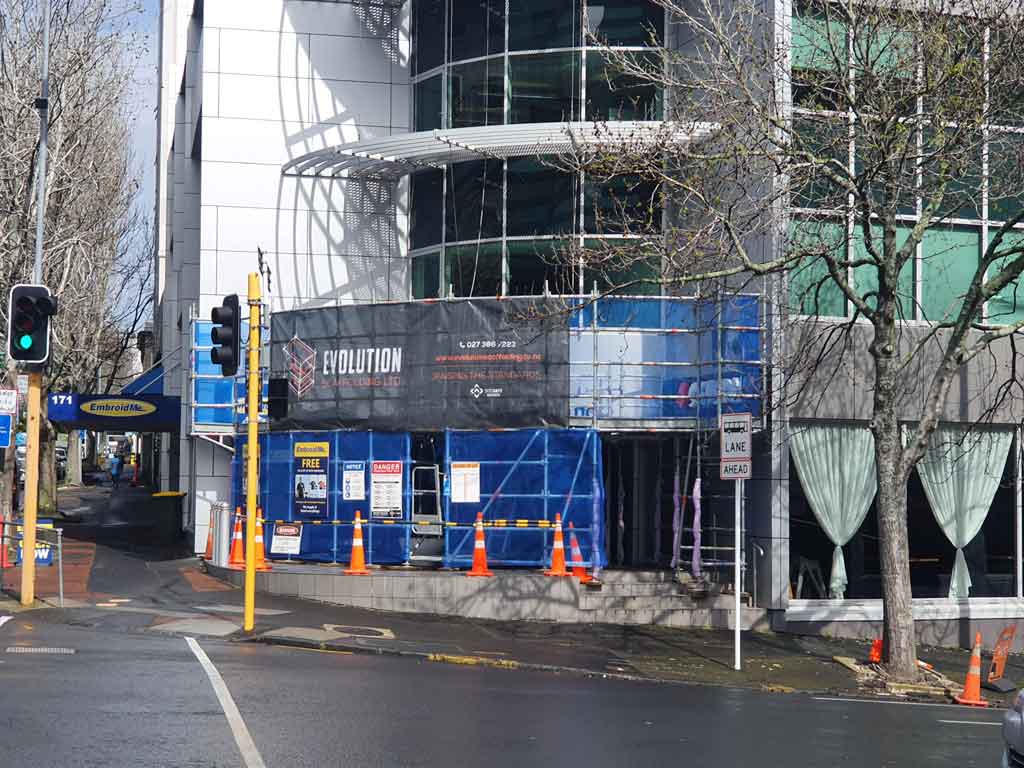
How is Scaffolding Erected Safely?
Steps to Erect Scaffolding Properly
Erecting scaffolding begins with a site inspection to assess ground conditions, access points, and the scale of the job. This initial step determines the most suitable scaffold system, taking into account the required height, weight loads, and project requirements. The next stage involves transporting the scaffolding equipment to the job site and laying a stable base using sole boards or base plates, which is essential for maintaining structural integrity. A qualified scaffolder then begins assembling the scaffold components — standards, ledgers, transoms, and braces — to build up each lift or level according to the design.
At each stage of the build, planks, access ladders and edge protection are added as needed to provide safe work platforms for tradesmen. Tie-ins may also be installed to secure the scaffold to the structure where required, helping ensure safety in higher or exposed areas. Throughout the erection process, all scaffolding must meet safety standards and be checked for proper alignment, stability and loading capacity. Following a systematic approach not only ensures a safe working environment but also supports the efficient progression of construction tasks across different heights and sections of the building.
Safety Measures During Scaffolding Erection
Implementing safety measures is essential during all stages of scaffold erection. All workers involved must wear appropriate personal protective equipment such as helmets, harnesses, high-visibility clothing, and steel-toed boots. A qualified team should oversee the process, ensuring every scaffold section is securely fastened and that the erection follows a step-by-step method to minimise risks. Guardrails, toe boards, and safe ladder access should be fitted immediately as each level is completed to maintain a safe work zone.
Inspections are a critical part of the safety protocol. The structure must be checked regularly — both during and after erection — to verify that it complies with current regulations and the scaffold is safe for use. Load limits must be clearly communicated and never exceeded. On sites with multiple trades and shifting tasks, the scaffolding needs to remain stable and clearly marked. Adhering to safe work practices reduces the risk of collapse or accidents, supports compliance with Worksafe regulations, and maintains the health and safety of all site personnel throughout the scaffolding hire period.
Common Mistakes to Avoid When Erecting Scaffolds
Rushing the erection process or skipping key setup steps is a common mistake that can lead to serious safety issues. One major error is placing scaffold towers on uneven or unstable ground without proper base plates or sole boards. This compromises the entire structure’s stability and increases the risk of collapse. Another frequent issue is failing to brace or tie the scaffold correctly to the building, especially when working at different heights or in areas exposed to wind and weather conditions.
Neglecting to install fall protection — such as handrails, mid-rails and toe boards — on every level is another critical oversight. Workers may also misuse scaffold equipment by overloading platforms, using incompatible components, or removing safety elements during use. Failing to conduct regular checks and inspections can result in undetected faults or wear in the scaffolding system. To maintain a safe and efficient site, it’s vital to follow the scaffold design, use certified components, and engage experienced personnel who understand scaffolding requirements and the importance of every step in the erection process.
Conclusion
Scaffolding plays a crucial role in the success of any construction or renovation project, offering both access and safety at height. Whether you’re managing a small residential upgrade or coordinating a large-scale construction site, understanding your scaffolding requirements and choosing the right scaffold hire solution can significantly impact the efficiency and safety of the work. With a wide range of scaffolding services available, including aluminium scaffold towers, mobile scaffolding, and custom scaffold systems, there is a solution to suit every site and task. The correct scaffold not only supports on-site tradesmen but also ensures safe work practices are upheld from start to finish.
Selecting a professional scaffolding company that prioritises safety protocols, delivers reliable scaffolding, and understands the unique demands of your job site is essential. The best providers will tailor their scaffold solutions to match the size, scope, and access needs of your project — whether in residential areas, commercial developments, or complex industrial environments. With transparent scaffold hire pricing, experienced erection teams, and fully compliant equipment, your site will benefit from consistent performance and safe working platforms. If you’re looking to hire scaffolding across the wider region and want confidence that your scaffolding needs will be handled safely and efficiently, contact Evolution Scaffolding for expert support and a free quote.